
Natural Pearls And Cultured Pearls
What are the differences between natural pearls and cultured pearls? For thousands of years, pearls were among the rarest and most precious gems on earth. Unlike diamonds or emeralds, they required no cutting or polishing—only time, biology, and a touch of serendipity. Today, however, the word “pearl” means something different from what it did a century ago. Thanks to advances in aquaculture, cultured pearls now dominate the market, while natural pearls remain elusive treasures reserved for collectors and connoisseurs.
To truly appreciate a pearl, one must understand the fundamental difference between natural and cultured varieties—how they form, how they differ in structure, and why one commands auction-house prices while the other fills boutique display cases.
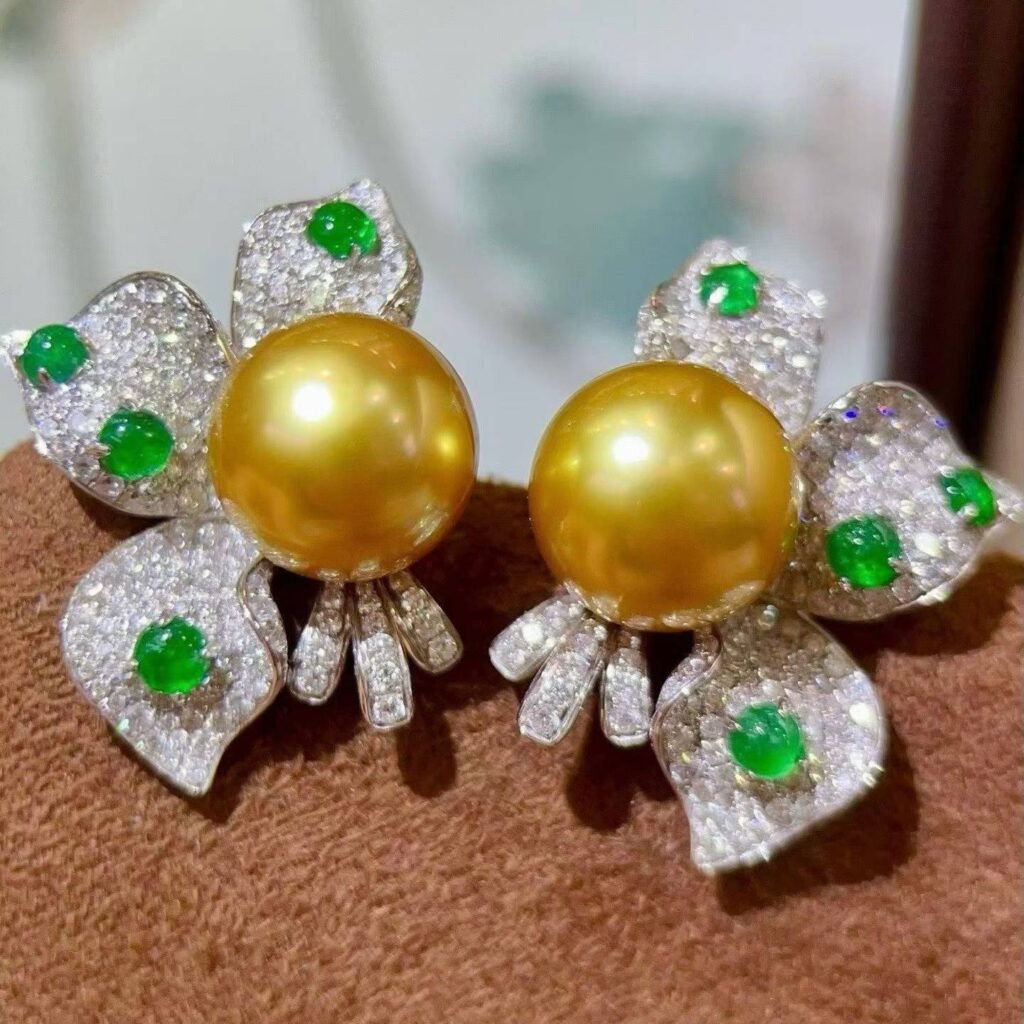
How Natural Pearls Form
A natural pearl begins by accident. When a tiny irritant—such as a parasite or a loose bit of shell—finds its way into the soft mantle tissue of an oyster or mussel, the mollusk reacts instinctively. To protect itself, it secretes layer upon layer of nacre, the crystalline substance that gives pearls their signature glow. Over years, sometimes decades, these concentric layers build up around the irritant, creating a pearl entirely composed of nacre.
Because this process is entirely random, natural pearls are extraordinarily rare. It takes tens of thousands of wild mollusks to yield just a handful of gem-quality natural pearls. Most are irregular in shape, with perfect spheres being exceptionally uncommon. Historically, they were found in the Persian Gulf, the waters off Sri Lanka, and certain rivers in Europe and North America.
Today, natural pearls are almost never seen in modern commercial jewelry. Instead, they surface at high-profile auctions or reside in antique pieces, where their value is shaped not only by size and luster but also by provenance—the story of who owned them and where they traveled.
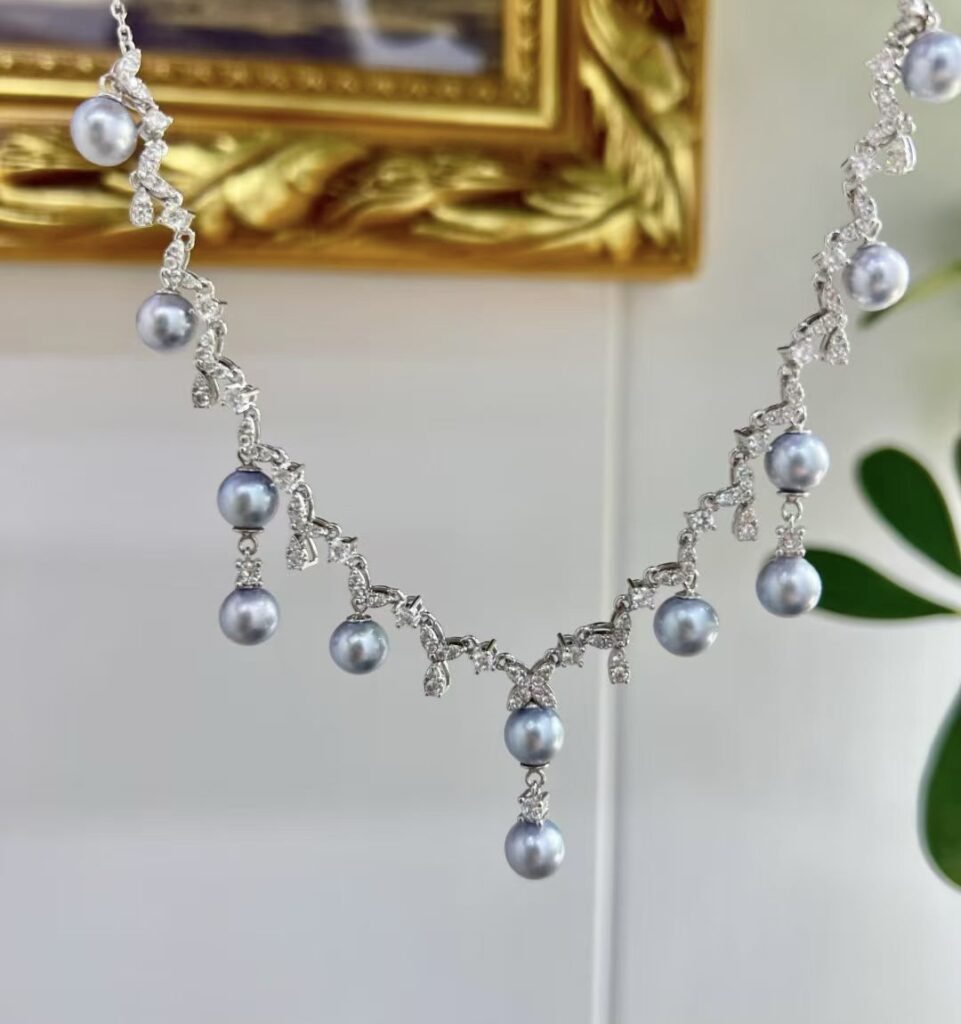
How Cultured Pearls Are Made
Cultured pearls, by contrast, are the result of human intervention guided by nature. In the early 20th century, Japanese pioneers such as Kokichi Mikimoto and Tokichi Nishikawa perfected techniques to stimulate pearl formation in controlled environments.
The process begins by surgically inserting a nucleus—usually a polished bead made from freshwater mussel shell—along with a small piece of mantle tissue from a donor mollusk, into the gonad of a host oyster or mussel. The mantle tissue acts as a catalyst, encouraging the host to secrete nacre around the nucleus. Over several months to several years, the pearl develops inside the living animal, just as a natural pearl would.
There are two main categories of cultured pearls:
- Saltwater cultured pearls, including Akoya, South Sea, and Tahitian pearls.
- Freshwater cultured pearls, primarily grown in China, often without a bead nucleus and therefore composed mostly or entirely of nacre.
While cultured pearls are far more common than natural ones, producing high-quality specimens remains a delicate and unpredictable art. Factors such as water temperature, farming technique, and harvest timing all influence the final result.
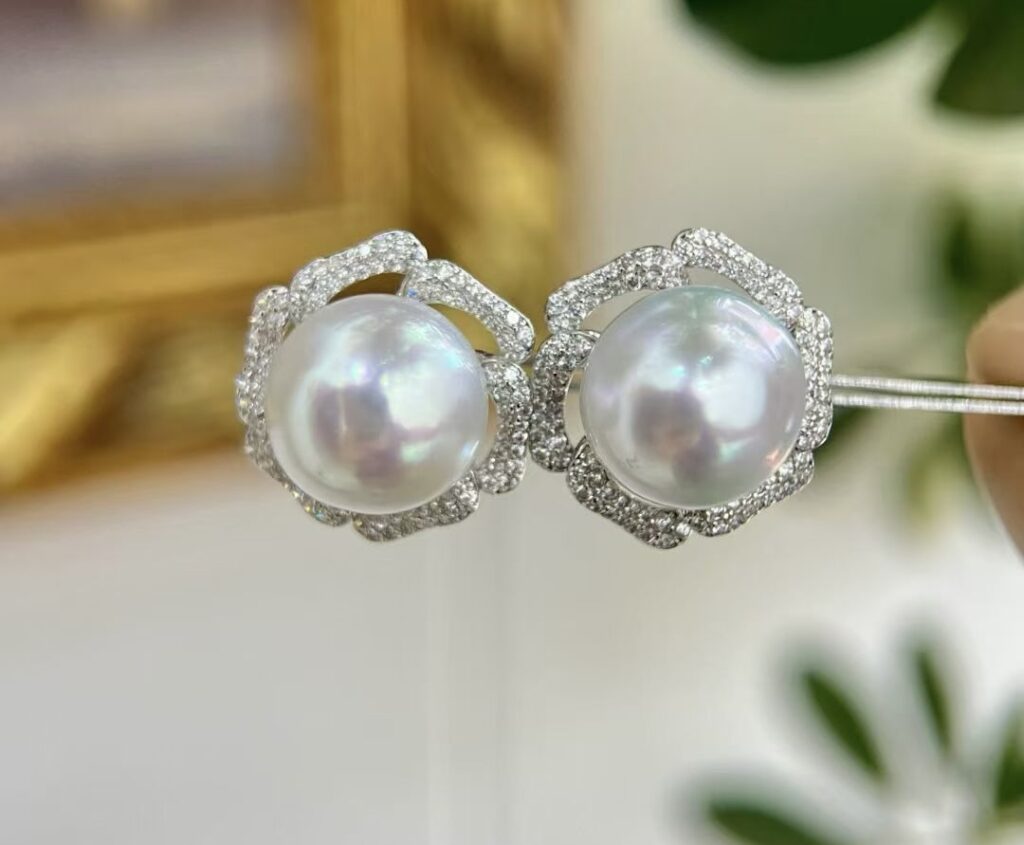
Structural Differences
One of the most significant distinctions lies beneath the surface. Natural pearls consist entirely of nacre, laid down in fine, concentric layers—much like the rings of an onion. Cultured pearls, particularly bead-nucleated varieties, have a central core (the nucleus) surrounded by a thinner outer layer of nacre.
This structural difference affects durability and appearance. Because natural pearls are pure nacre, they often possess a soft, deep glow that aficionados describe as “orient.” Cultured pearls can achieve remarkable luster as well, but extremely thick nacre is prized, especially in South Sea and Hanadama-grade Akoya pearls.
Advanced testing methods—such as X-ray imaging—can reveal the internal structure of a pearl, making it possible to distinguish natural from cultured with scientific certainty.
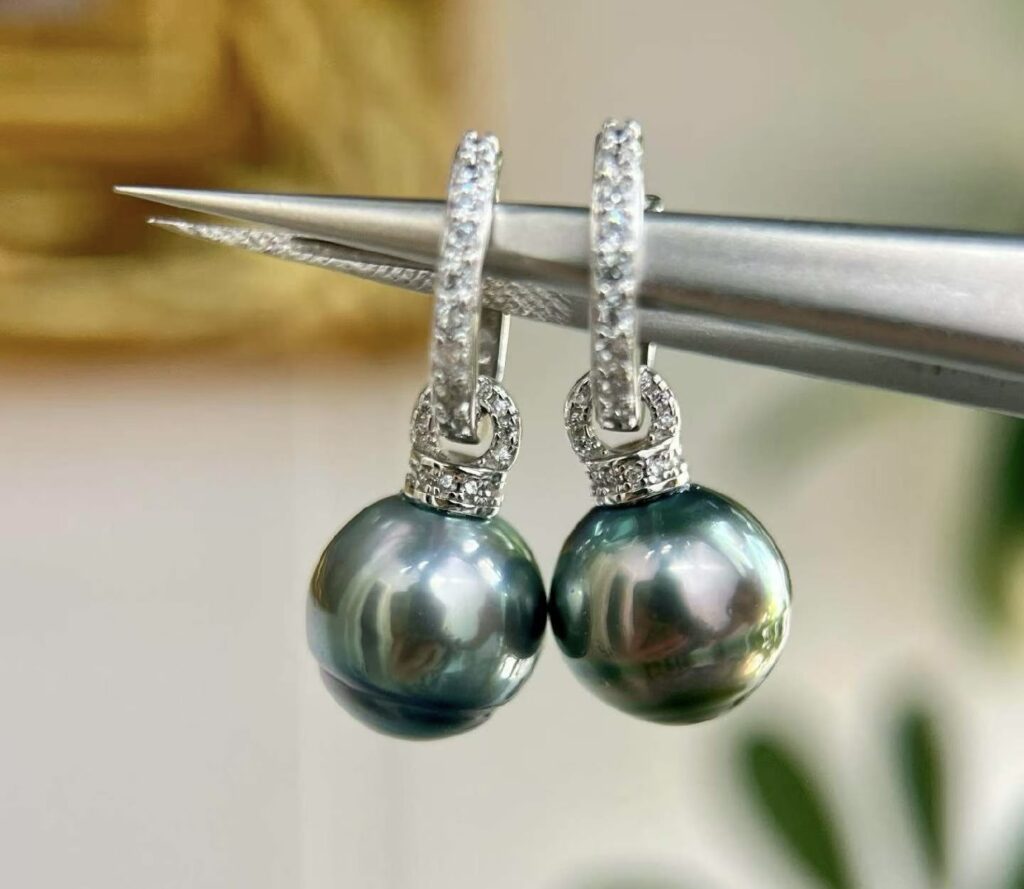
Value and Rarity
Natural pearls are rare by definition; cultured pearls are rare by degree. A top-quality natural pearl can sell for hundreds of thousands—or even millions—of dollars at auction, particularly if it has historical significance. Cultured pearls, while more accessible, still vary widely in price depending on type, size, luster, surface quality, and shape.
It is worth noting that some pearls blur the line between categories. Keshi pearls, for example, are accidental, non-nucleated byproducts of the culturing process. Though technically cultured, they form without a bead nucleus and are composed entirely of nacre, much like natural pearls. Their organic, baroque shapes and intense luster make them highly desirable among designers and collectors.