
Not All Pearls Are Round: A Guide to Pearl Shapes
When most people picture a pearl, they imagine a flawless, luminous sphere—symmetrical, smooth, and perfectly round. While round pearls are indeed among the most classic and sought-after, they represent only a fraction of what nature (and pearl farmers) can create. In truth, not all pearl shapes are round, and some of the most captivating pearls break every rule of symmetry.
Understanding pearl shapes not only helps collectors and buyers make informed choices—it also reveals the fascinating story of how pearls are formed.
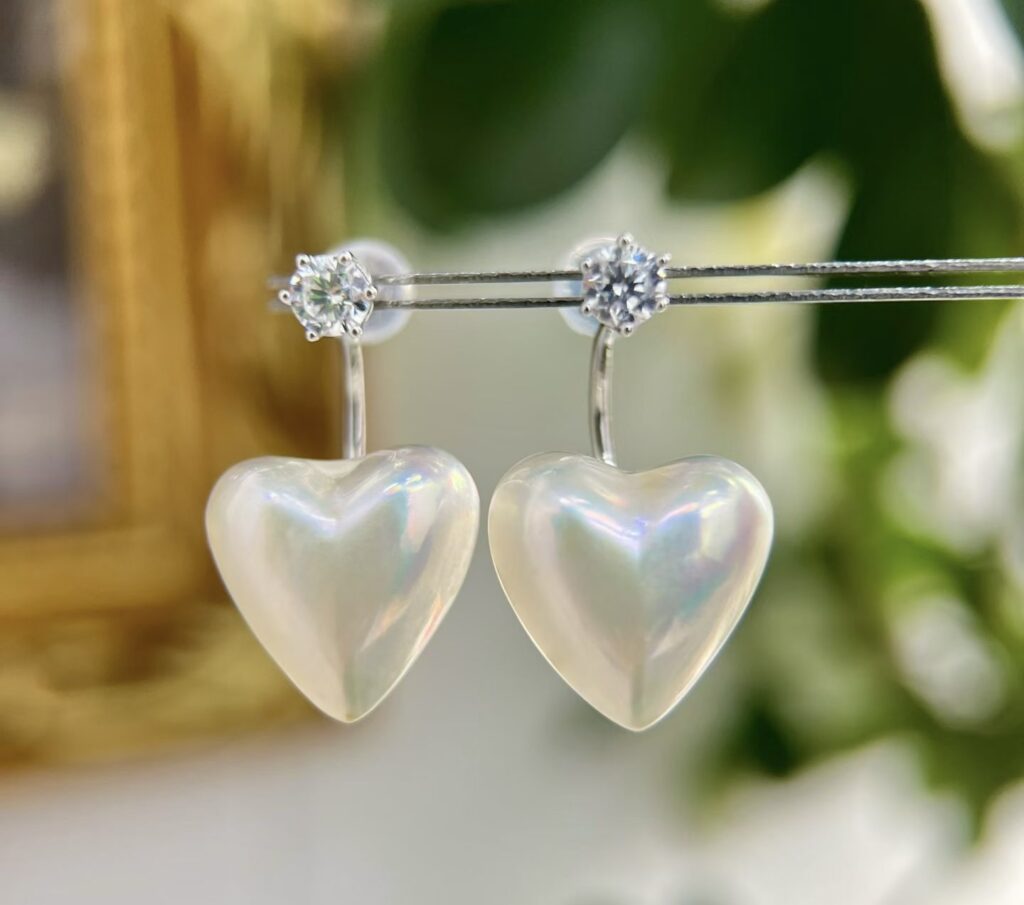
Why Aren’t All Pearls Round?
A pearl begins when an irritant—such as a parasite or an implanted bead—enters the soft tissue of a mollusk. The creature responds by coating the irritant with layers of nacre. If the irritant stays perfectly still and the nacre deposits evenly, a round pearl may form. But in reality, movement, pressure, and biology rarely cooperate. As a result, most pearls develop into non-spherical shapes, each one unique.
The Main Categories of Pearl Shapes
Pearl shapes are generally grouped into three broad categories:
1. Spherical Pearls
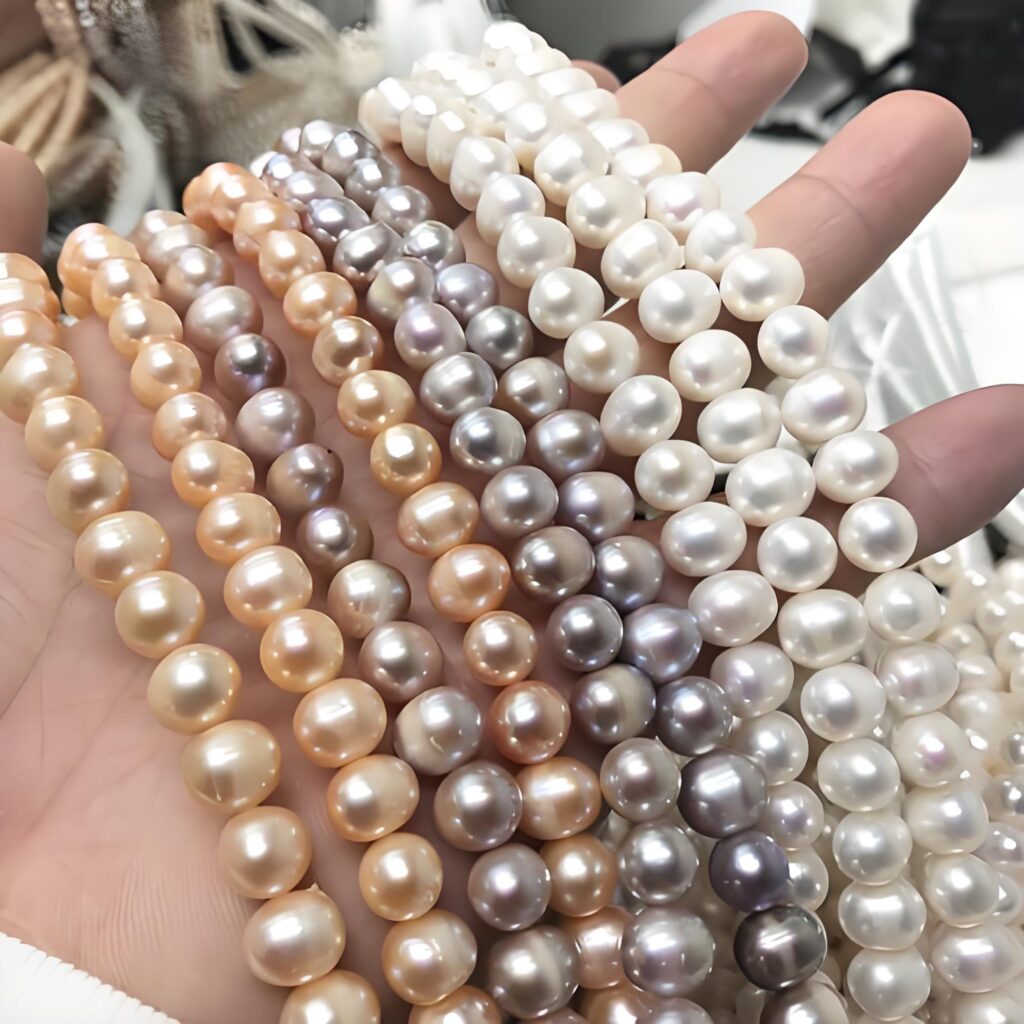
These include round and near-round pearls.
- Round pearls are the rarest and most valuable, especially in Akoya and South Sea varieties.
- Near-round pearls appear round at a glance but reveal slight asymmetry upon close inspection.
They are favored for classic strands, stud earrings, and formal jewelry.
2. Symmetrical Pearls
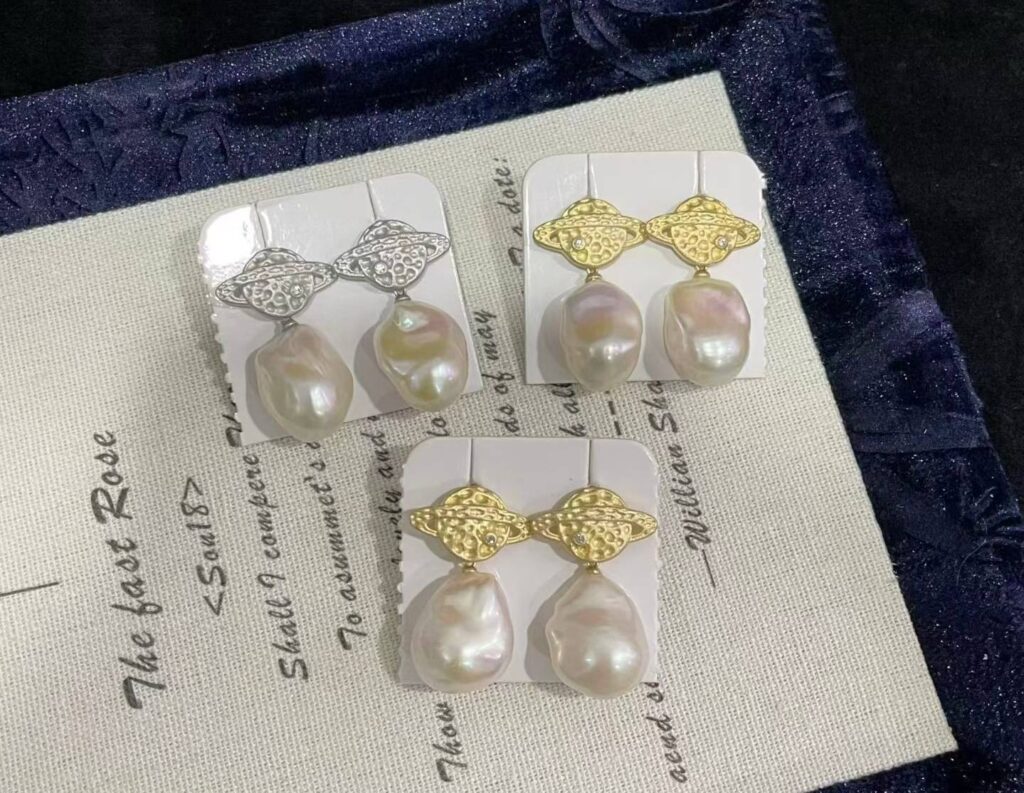
These pearls are evenly shaped, though not spherical. Common forms include:
- Oval
- Button (flattened on one side)
- Drop (pear-shaped or teardrop)
Symmetrical pearls are prized for pendants, earrings, and designs where balance matters. Drop pearls, in particular, are often used in vintage and bridal jewelry.
3. Baroque Pearls
This is where pearl shapes become truly artistic. Baroque pearls are irregular, asymmetrical, and non-repeating. Within this group, two subtypes stand out:
- Classic Baroque: Free-form, twisted, or lumpy shapes.
- Semi-Baroque: Mostly symmetrical but with noticeable irregularities (e.g., slightly oval drops).
Baroque pearls are never boring. Their organic contours have inspired jewelers for centuries—most famously in pieces like the Canning Jeweler La Peregrina. Today, they are celebrated for their individuality and modern aesthetic.
Special Mentions: Keshi and Mabe
Some pearl types challenge traditional shape classifications altogether:
- Keshi Pearls: Small, non-nucleated pearls formed as a byproduct of cultivation. Almost always baroque, they are composed entirely of nacre and known for their intense luster.
- Mabe Pearls (Blister Pearls): Grown against the inner shell rather than within the tissue, these are hemispherical and polished into domed cabochons—ideal for rings and earrings.
Why Shape Matters
Pearl shape influences both value and design potential:
- Round pearls command premium prices due to their rarity.
- Symmetrical shapes offer elegance with slightly more accessibility.
- Baroque and Keshi pearls open creative possibilities, often at a more approachable price point—without compromising beauty.
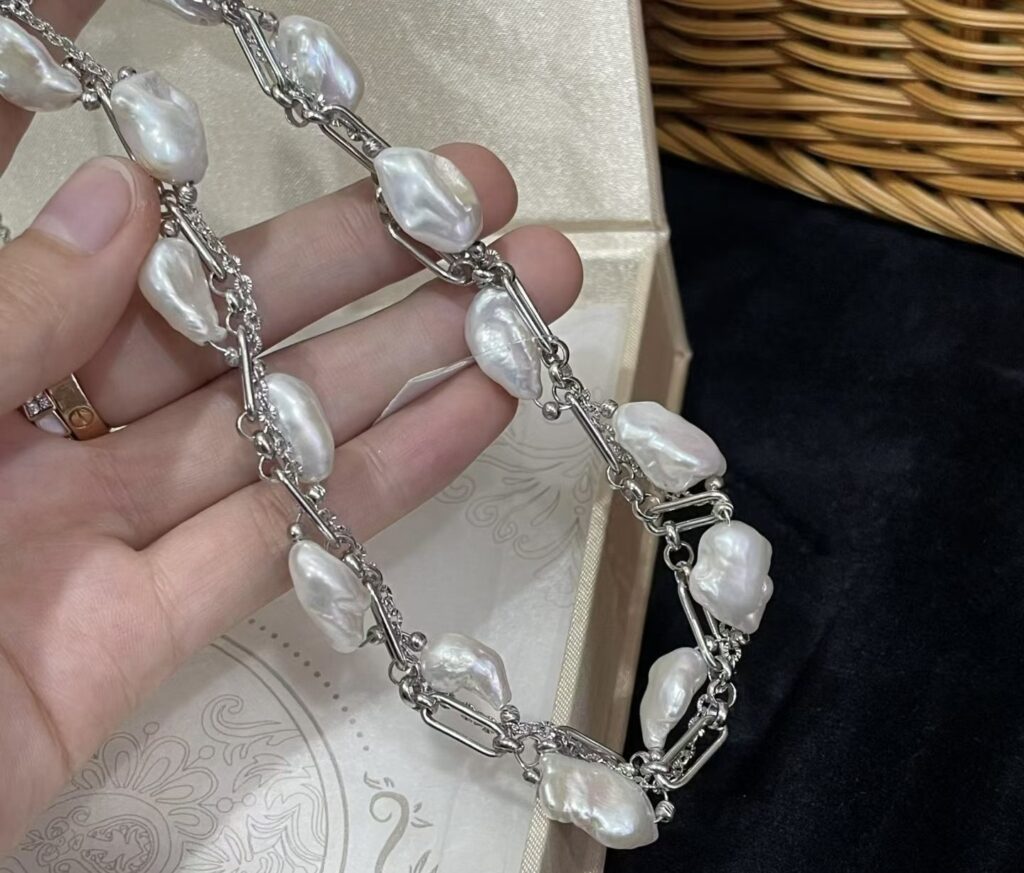
In fact, many designers today deliberately choose baroque pearls to create contemporary, one-of-a-kind pieces that feel personal and artistic.
While we often imagine pearls as perfect spheres, they come in various shapes:
Round: The most classic and often most valued shape, especially in saltwater oysters.
Baroque: Irregular, non-symmetrical shapes with unique, organic forms.
Button: Flattened or slightly squashed spheres.
Drop: Pear or teardrop-shaped, often used in pendants and earrings.
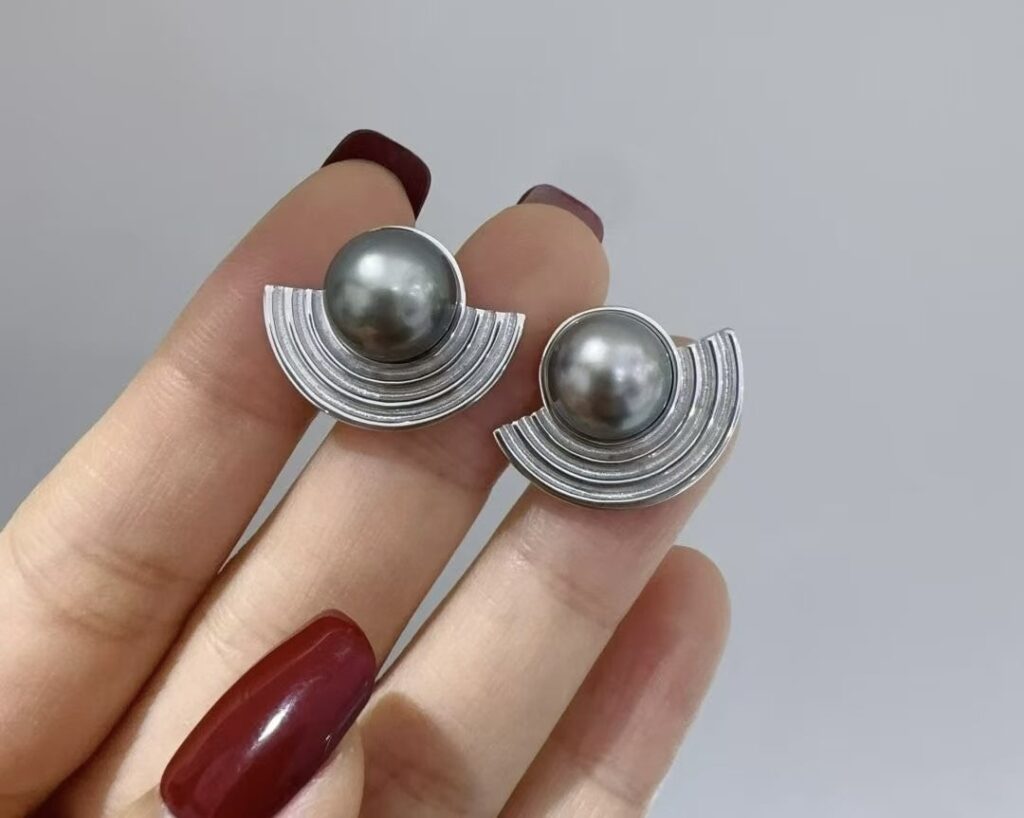
The final shape depends on where the irritant lodges in the mollusk and the type of mollusk itself. For instance, freshwater mussels often produce beautiful baroque pearls.
In essence, a pearl is a masterpiece of resilience. It is a symbol of how nature, and now nature in partnership with human ingenuity, can create profound beauty from a simple, defensive response to an unwelcome disturbance. Each pearl is a record of time, a layered archive of the quiet, persistent work of a living creature.