
Are cultured freshwater pearls worth money?
The short answer is yes, cultured freshwater pearls are definitely worth money, but their financial value varies significantly depending on quality, market context, and how you define “worth.” While they are generally more affordable than saltwater varieties like Akoya, Tahitian, or South Sea pearls, they are genuine gemstones with tangible retail and aesthetic value.
Here is a breakdown of what determines their worth:
- Retail And Aesthetic Value Of Cultured Freshwater Pearls(Wearing Value)
This is where cultured freshwater pearls shine. They offer exceptional “bang for your buck” in the world of fine jewelry.
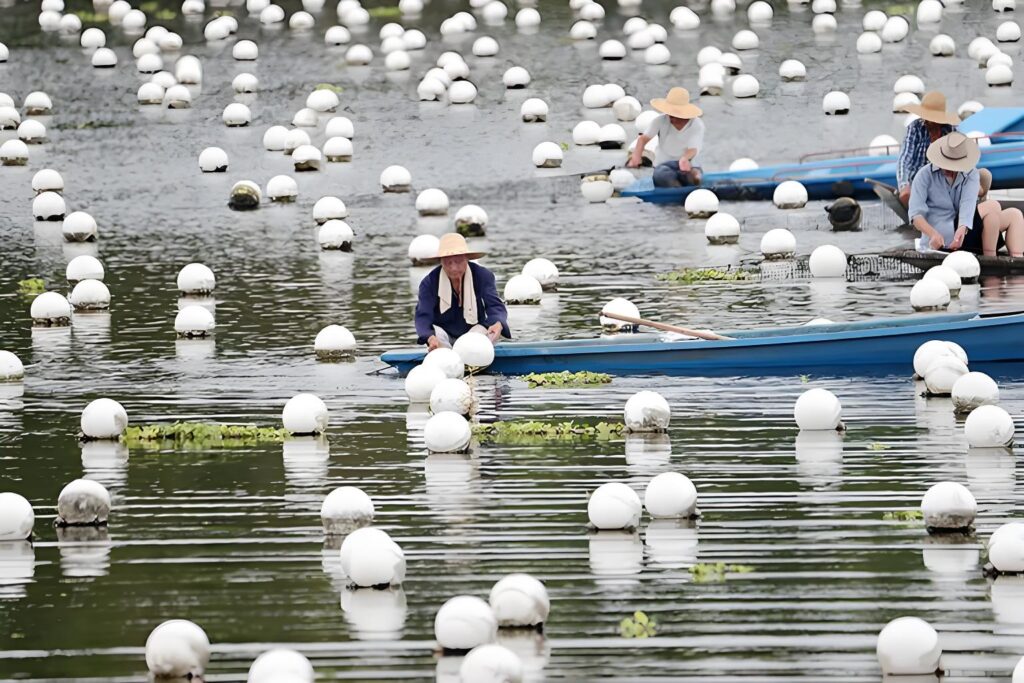
Affordability & Accessibility: Because a single freshwater mussel can produce dozens of pearls (unlike saltwater oysters which typically produce one or two), the production volume is much higher. This makes them the most budget-friendly real pearl option, with simple strands often retailing between $50 and $300, and high-quality designer pieces reaching $1,000–$2,000+.
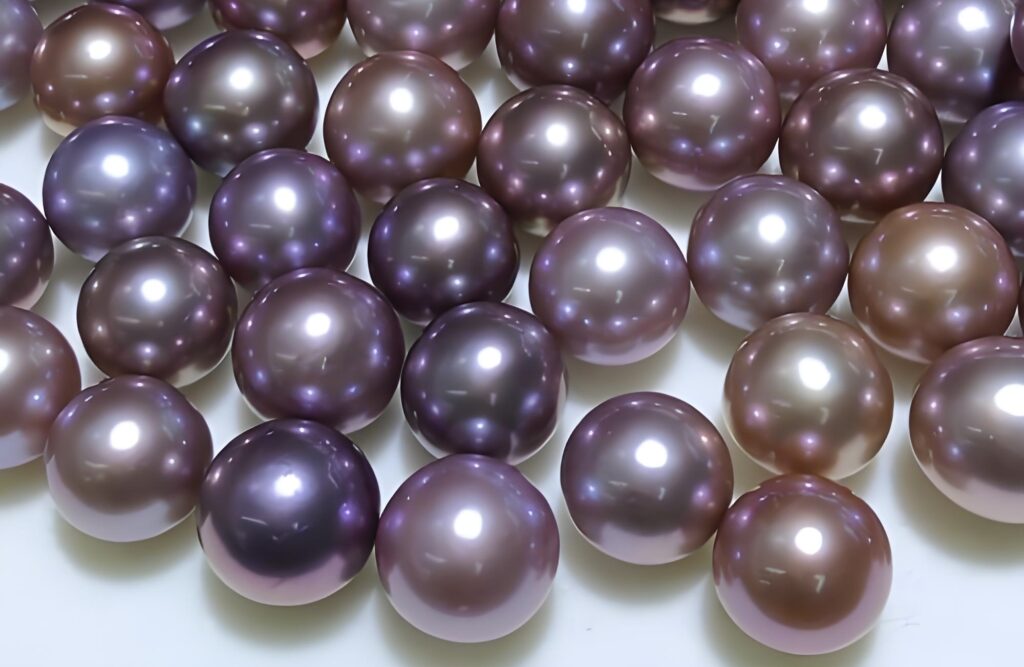
Quality Range: “Worth” here depends on the GIA 7 Pearl Value Factors: Luster (the sharpness of light reflection—most critical), Surface Quality (cleanliness from blemishes), Shape (round is rarest/most valuable, though baroque is trendy), Size (larger usually commands more), and Color/Matching. High-luster, near-round, or uniquely metallic baroque freshwater pearls can be quite valuable even within this category.
Durability: Most traditional cultured freshwater pearls are solid nacre (unlike bead-nucleated saltwater pearls), making them highly durable for everyday wear, which adds to their practical value.
- Resale and Investment Value Of Cultured Freshwater Pearls
If “worth money” implies treating them as a financial investment comparable to gold, diamonds, or rare vintage stocks, the answer is more nuanced:
Limited Appreciation: Generally, cultured freshwater pearls do not appreciate significantly over time. Because they are cultivated in large quantities, the supply remains robust, meaning they rarely become “rare” in a market-driven sense.
Low Resale Market: The secondary market for non-branded, standard freshwater pearl jewelry is soft. You might recover some fraction of the original cost (often 20–30% depending on condition and quality), but recouping the full retail price paid at a jewelry boutique is unlikely unless the piece is vintage, designer-signed (e.g., Mikimoto, Tiffany & Co.), or of exceptionally rare, top-tier quality (e.g., large, perfectly round, metallic-luster Edison pearls).
Comparison: They are not typically viewed as “investment gems” like high-end South Sea pearls or natural (wild) pearls, which can fetch astronomical sums at auction.
- Sentimental and Sustainable Value Of Cultured Freshwater Pearls
Beyond dollars and cents:
Sentimental Worth: They are frequently used for meaningful gifts (anniversaries, graduations, weddings), holding significant emotional value that far exceeds their market price.
Sustainability: Freshwater pearl farming is often cited as an eco-positive industry because the mussels act as water filters, improving the ecosystem of the rivers and lakes they inhabit. For conscious consumers, this ethical “worth” adds to the appeal.
Conclusion:
Cultured freshwater pearls are worth money as beautiful, durable, real gemstone jewelry that allows you to own a piece of fine jewelry at an accessible price point. However, they are generally not worth money as a high-yield financial investment intended for resale or value appreciation. If you love the look of pearls and want versatility for daily wear or special occasions without a massive outlay, they are absolutely worth it.