
Is Cultured Freshwater Pearl a Real Pearl?
The short and definitive answer is yes. A cultured freshwater pearl is 100% a real pearl.
Despite what the word “cultured” might imply to some, these gems are not fake, plastic, or synthetic in any way. They are genuine organic gemstones formed inside a living mollusk. The confusion usually arises from the distinction between how they are grown versus what they are made of. Let’s break down the facts.
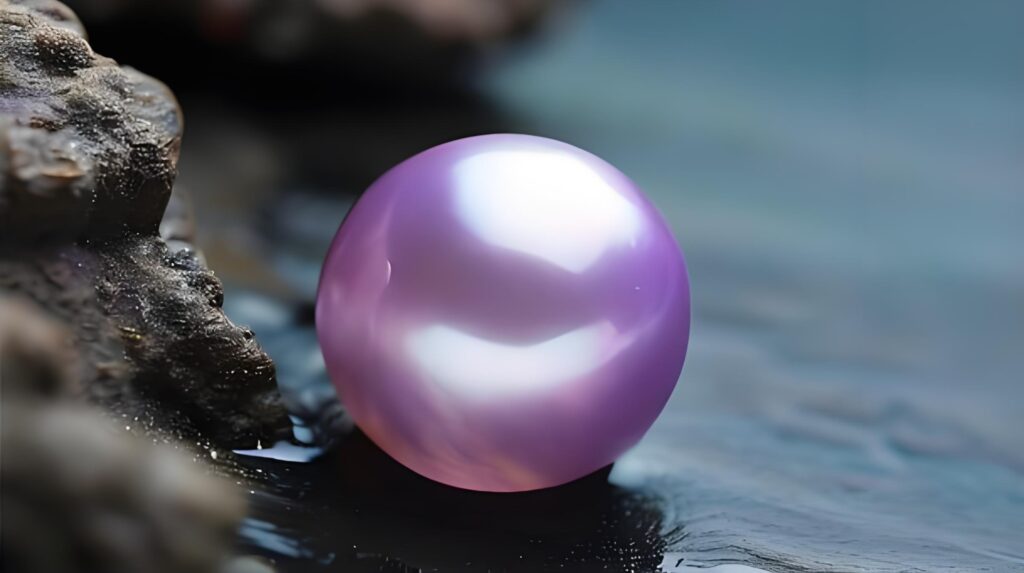
1. The Definition of a “Real” Pearl
A pearl is defined by its composition and origin, not by whether humans intervened in its creation.
- Composition: Both natural and cultured pearls are made of nacre (pronounced NAY-ker). Nacre is a composite material consisting of microscopic hexagonal platelets of aragonite (a form of calcium carbonate) bound together by an organic protein called conchiolin. This is the same substance that lines the inside of a mollusk shell (Mother of Pearl).
- Origin: A real pearl is formed when a mollusk secretes nacre around an irritant to protect itself.
Since cultured freshwater pearls meet both criteria—they are made of nacre and formed by a living creature—they are scientifically and commercially classified as real pearls.
2. What Does “Cultured” Actually Mean?
The term “cultured” simply refers to the method of cultivation, not the quality or authenticity of the gem.
- Natural Pearls: Formed by accident when a parasite or sand particle enters a mollusk randomly.
- Cultured Pearls: Formed with human assistance. A technician carefully inserts a small piece of mantle tissue (and sometimes a bead) into the mussel to initiate the pearl-forming process.
Think of it like farming. An apple grown in a wild forest is “natural,” while an apple grown on a farm is “cultured.” Both are real apples. Similarly, both natural and cultured pearls are real pearls; one is a lucky accident of nature, and the other is the result of aquaculture.
3. Freshwater vs. Saltwater Cultured Pearls
It is important to note that the vast majority of pearls sold today (over 95%) are cultured. This includes:
- Freshwater Pearls: Grown in mussels in lakes and rivers (mostly in China).
- Saltwater Pearls: Grown in oysters in oceans (e.g., Akoya, Tahitian, South Sea).
All of these are real pearls. Freshwater pearls are simply a specific type of cultured pearl known for their unique shapes, pastel colors, and solid nacre structure.
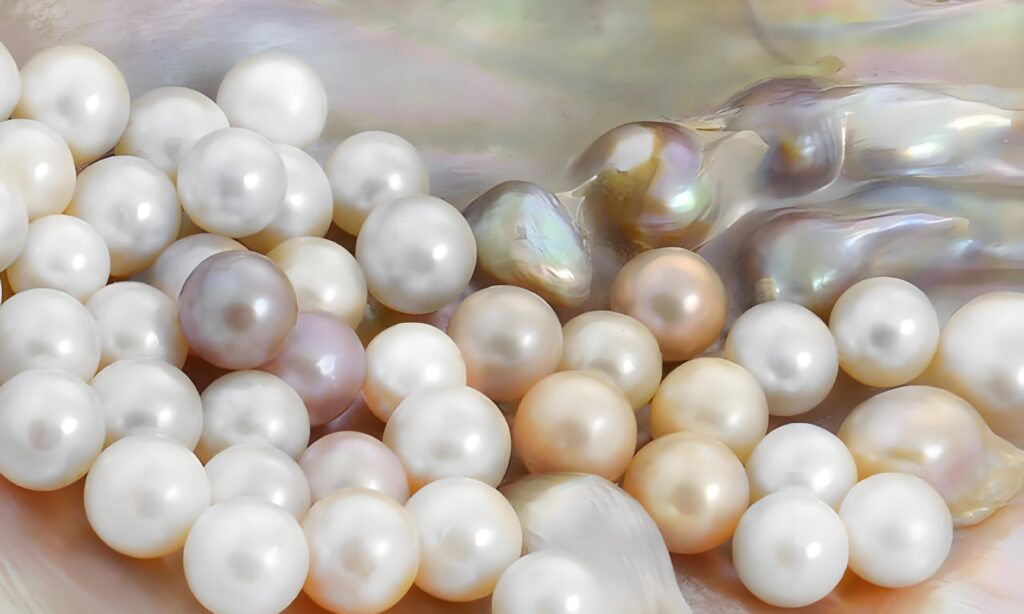
4. How to Spot a Fake (Imitation) Pearl
To be sure you have a real cultured freshwater pearl, you can perform a few simple tests to distinguish it from a fake (usually made of glass, plastic, or coated ceramic):
| Test | Real Cultured Pearl | Fake Imitation Pearl |
|---|---|---|
| The Tooth Test | Rub it gently against the edge of your front teeth. It feels gritty or sandy due to the microscopic layers of nacre. | Feels smooth or slippery, like plastic or glass. |
| Temperature | Feels cool to the touch initially, then warms up to your skin temperature. | Usually stays warm (plastic) or heats up instantly. |
| Surface | Has slight imperfections, tiny ridges, or variations in shape. | Perfectly uniform, with no flaws. |
| Drill Hole | The nacre around the hole looks compact and layered. | The coating may look flaky or peeled back from the hole. |
5. The Value of Realness
Because cultured freshwater pearls are real, they carry the same symbolic meanings as natural pearls: purity, wisdom, and elegance. They are durable enough to be worn daily and can last for generations with proper care.
Conclusion:
Do not let the word “cultured” fool you. A cultured freshwater pearl is a genuine gemstone created by nature with a little help from science. It is not an imitation; it is the real deal—beautiful, organic, and worthy of being called a pearl.