
What Makes Freshwater Pearls Unique Compared to Others?
Pearls have long been treasured as symbols of elegance and purity, but not all pearls are created equal. Among the many varieties available today—such as Akoya, Tahitian, and South Sea pearls—freshwater pearls stand out for their distinctive characteristics.
While they may not always match the mirror-like luster or perfect roundness of their saltwater counterparts, freshwater pearls offer a unique combination of versatility, natural beauty, and affordability that sets them apart in the world of fine jewelry.
Abundance of Shapes and Colors
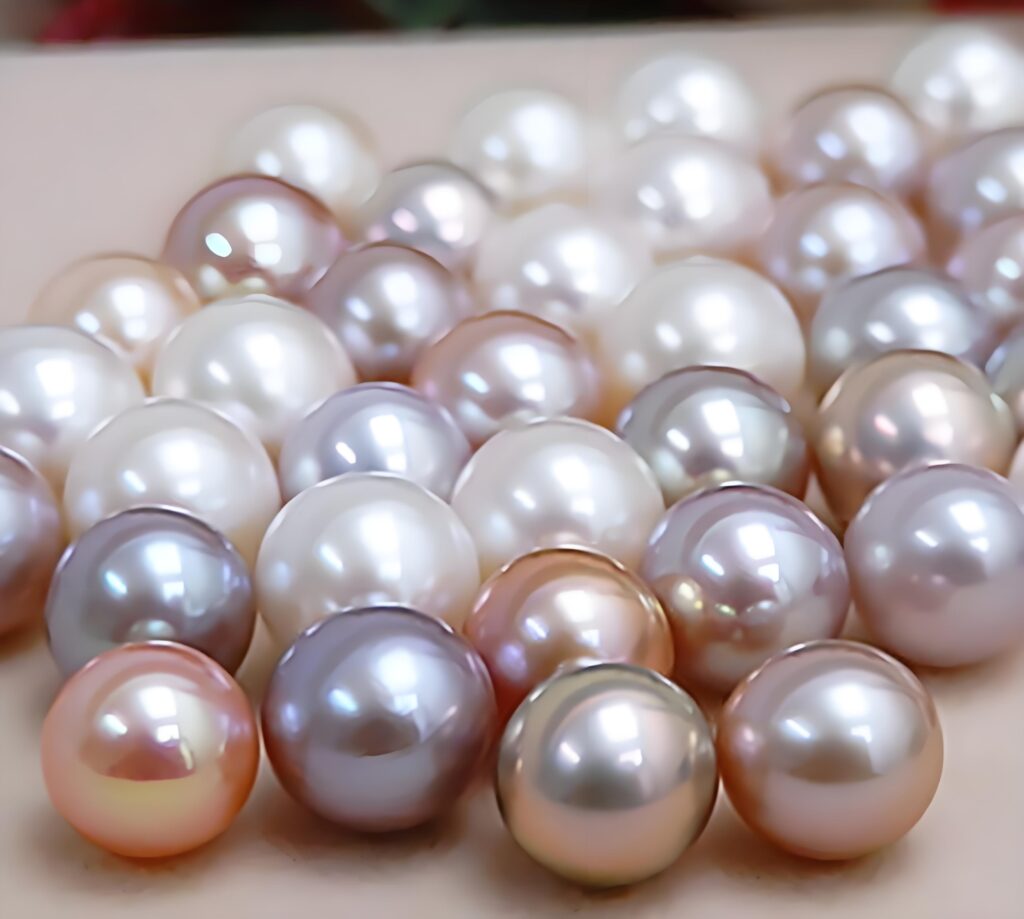
One of the most defining features of freshwater pearls is their incredible diversity. Unlike saltwater pearls, which are typically cultured with a spherical bead nucleus to ensure roundness, they are usually tissue-nucleated. This means the mussel forms the pearl around a small piece of mantle tissue rather than a bead, allowing for a wider range of organic shapes. While round pearls certainly exist, freshwater pearls are also found in baroque, button, coin, rice, and stick shapes. This variety makes them ideal for contemporary and artistic jewelry designs that embrace irregularity and individuality.
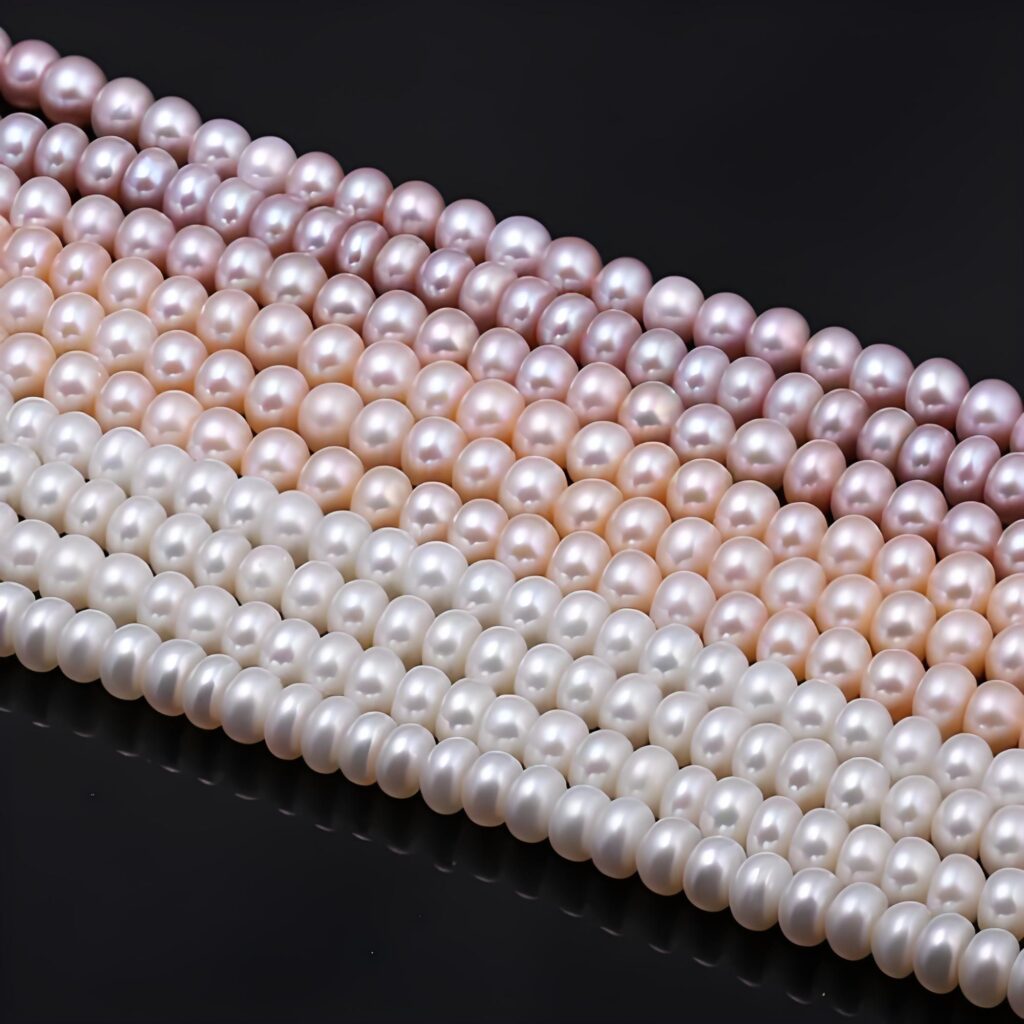
Color is another area where freshwater pearls excel. Naturally occurring in shades of white, pink, peach, lavender, and even purple, these pearls offer a broad palette without the need for artificial treatments. Their soft, pastel tones give them a romantic and youthful appeal that differs greatly from the classic white or golden hues of saltwater pearls.
Affordability Without Sacrificing Beauty
Freshwater pearls are generally more affordable than saltwater varieties. A single freshwater mussel can produce dozens of pearls at once, making the cultivation process more efficient and cost-effective. As a result, consumers can enjoy larger strands, multi-strand necklaces, or elaborate earring sets at a fraction of the price of comparable saltwater pieces. For many buyers, this accessibility makes freshwater pearls the perfect introduction to pearl jewelry.
Despite their lower price point, high-quality freshwater pearls can still possess impressive luster and smoothness. Top-grade examples are nearly indistinguishable from saltwater pearls to the untrained eye, offering excellent value for money.
Durability and Nacre Quality
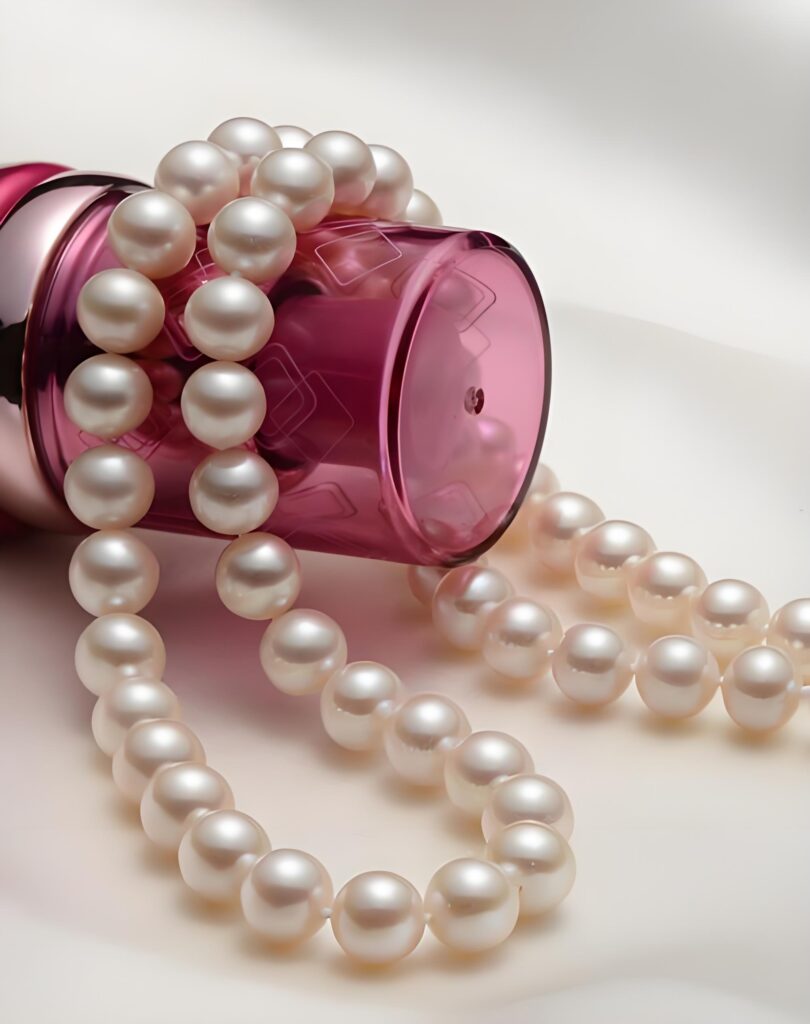
Because freshwater pearls are composed almost entirely of nacre (the iridescent substance secreted by mollusks), they tend to be more durable than saltwater pearls, which often have a thinner nacre layer over a bead nucleus. This solid nacre structure gives them a resilience that allows them to withstand daily wear better over time. While all pearls require care, freshwater pearls are less prone to chipping or peeling, making them practical for everyday jewelry.
Ethical and Sustainable Appeal
In recent years, freshwater pearl farming has become increasingly associated with environmental sustainability. Many farms in China, the world’s leading producer of freshwater pearls, have adopted eco-friendly practices that improve water quality and support local ecosystems. Choosing freshwater pearls can therefore align with ethical consumer values, adding another layer of uniqueness to their appeal.
A Different Kind of Elegance
While saltwater pearls are often celebrated for their formal, timeless elegance, freshwater pearls offer a softer, more approachable beauty. Their varied shapes and gentle colors evoke a sense of nature and authenticity that resonates with modern tastes. They are pearls for the individualist—someone who appreciates subtle imperfections and the story behind each gem.
Conclusion
Freshwater pearls may not always fit the traditional mold of what a pearl “should” look like, but that is precisely what makes them special. Their uniqueness lies in their diversity, affordability, durability, and natural charm. Whether you are drawn to their romantic blush tones, their artistic baroque shapes, or simply their accessible luxury, freshwater pearls offer something truly different—and deeply beautiful—compared to others.