
A Guide to Caring for Your Freshwater Pearl Jewelry
Freshwater pearls are unique among gemstones. While diamonds, sapphires, and rubies are formed in the earth’s crust, pearls are organic—created by living mollusks in fresh water. This organic origin gives them their signature soft luster and warm glow, but it also makes them far more delicate. With a hardness of only 2.5 to 4.5 on the Mohs scale, pearls are easily scratched, dehydrated, and damaged by chemicals.
To ensure your freshwater pearl jewelry lasts for generations, proper care is essential. This guide will walk you through everything you need to know to keep your pearls radiant.
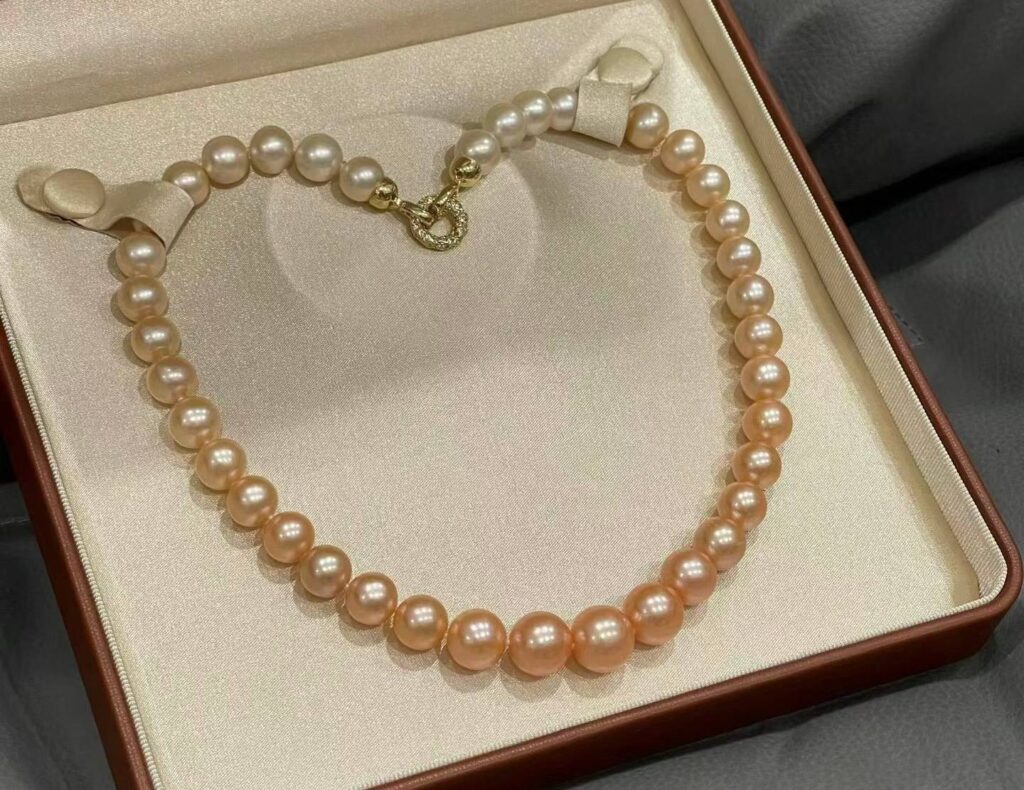
1. The Golden Rule: Last On, First Off
The simplest way to protect your pearls is to follow this rule: Put your pearls on last, and take them off first.
- Why? Perfume, hairspray, cosmetics, and even deodorant contain alcohol, oils, and chemicals that can dull a pearl’s luster or eat away at its surface.
- How to apply: Always finish your beauty routine—spritzing perfume, applying makeup, and styling your hair—before putting on your pearl necklace, earrings, or bracelet.
2. Wipe After Every Wear
Pearls are porous and can absorb substances they come into contact with, including the natural oils from your skin and acids from perspiration.
- The Method: After wearing your pearls, gently wipe each bead with a soft, lint-free cloth (microfiber or a clean section of a cotton t-shirt works perfectly). This removes body oils and residues before they have a chance to dry and damage the nacre.
- Avoid: Never use tissues or paper towels, as their rough fibers can cause micro-scratches on the pearl’s surface.
3. Cleaning: Less Is More
If your pearls need a deeper clean, avoid commercial jewelry cleaners or ultrasonic machines, which can destroy the nacre.
- Gentle Wash: Dampen a soft cloth with lukewarm water (never hot) and a tiny drop of mild, chemical-free soap (like baby shampoo or gentle dish soap). Gently wipe the pearls.
- Rinse: Immediately wipe the pearls with a cloth dampened with plain water to remove any soap residue.
- Dry Thoroughly: Lay the jewelry flat on a clean towel and allow it to air dry completely before storing or wearing again. Never hang a pearl necklace to dry, as the weight of the wet strand can stretch the silk thread.
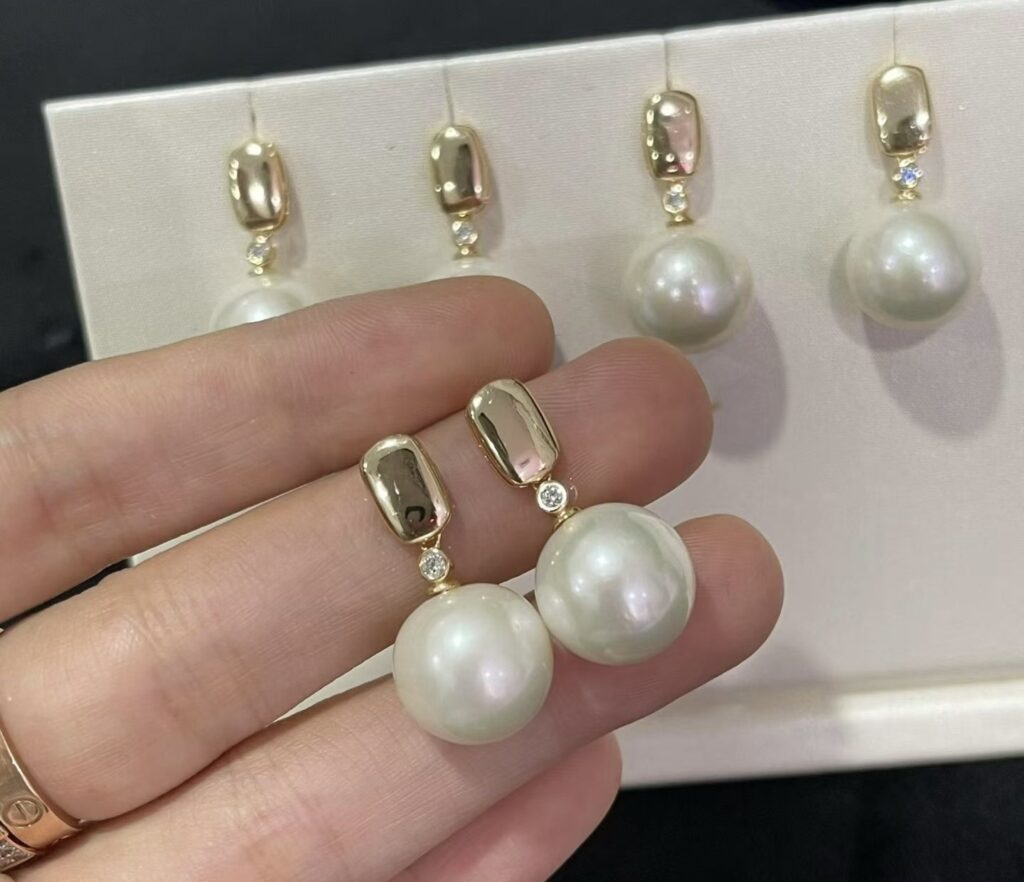
4. Storage: Protect and Breathe
Improper storage is one of the fastest ways to ruin pearls.
- Separate Storage: Store your freshwater pearls separately from other jewelry, especially harder gemstones and metals that can scratch their soft surface. Use a soft pouch or a dedicated compartment in your jewelry box.
- Avoid Airtight Containers: Do not store pearls in plastic bags or airtight boxes for long periods. Pearls need a little moisture in the air to prevent drying out and cracking. If you live in a very dry climate, occasionally placing a slightly damp cloth near (not on) the storage area can help.
- Lay Flat: Always lay pearl strands flat when storing them. Hanging them puts constant tension on the silk thread, causing it to stretch and weaken over time.
5. Thread Care and Restringing
If you own a pearl necklace, the string is just as important as the pearls themselves.
- Check the Knots: Most pearl necklaces are strung with knots between each pearl. These knots prevent the pearls from rubbing against each other and stop all the pearls from scattering if the string breaks. Regularly check the silk thread for signs of stretching, fraying, or discoloration.
- Restringing Frequency: As a general rule, restring your pearl necklace once a year if you wear it regularly, or every few years if worn occasionally. A professional jeweler can restring them using high-quality silk and ensure the knots are tight.
6. Avoid These Common Hazards
To keep your pearls safe, steer clear of the following:
| Hazard | Why It’s Harmful |
|---|---|
| Chlorine & Salt Water | Swimming pools and the ocean can erode the nacre and weaken the string. |
| Direct Sunlight & Heat | Prolonged exposure can dehydrate pearls, leading to cracks and dullness. |
| Household Cleaners | Ammonia, bleach, and vinegar are highly acidic and will permanently damage pearls. |
| Ultrasonic Cleaners | The vibrations can cause pearls to crack or separate from their settings. |
7. Wear Them Often!
Paradoxically, one of the best things you can do for your freshwater pearls is to wear them. The natural oils from your skin help maintain their hydration and luster. Just remember to wipe them clean afterward!
By following these simple steps, your freshwater pearl jewelry will remain a luminous and cherished part of your collection for decades to come.