
What Makes Freshwater Pearl Jewelry So Special?
Freshwater pearl jewelry holds a unique place in the world of gems. Unlike diamonds, sapphires, or rubies—which are mined from deep within the earth—freshwater pearls are born in rivers, lakes, and ponds. This organic origin gives them a distinctive warmth and character that many find more approachable and personal than other precious stones. But beyond their aquatic beginnings, several specific qualities make freshwater pearl jewelry truly special.
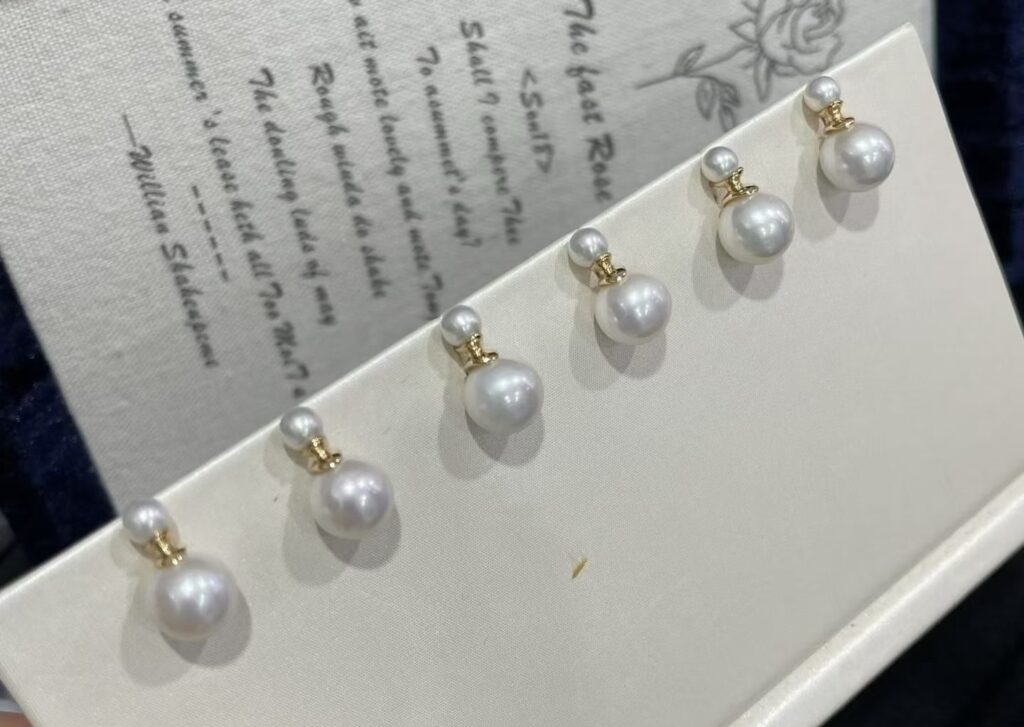
1. Organic Beauty and Infinite Variety Of Freshwater Pearl Jewelry
One of the most captivating aspects of freshwater pearls is their diversity. Because they are cultivated in mussels rather than oysters, they grow in a vast array of shapes, sizes, and colors.
- Shapes: From perfectly round to baroque (free-form), button, oval, and teardrop shapes, there is a freshwater pearl for every aesthetic. Baroque pearls, with their irregular forms, are particularly prized today for their artistic, one-of-a-kind appearance.
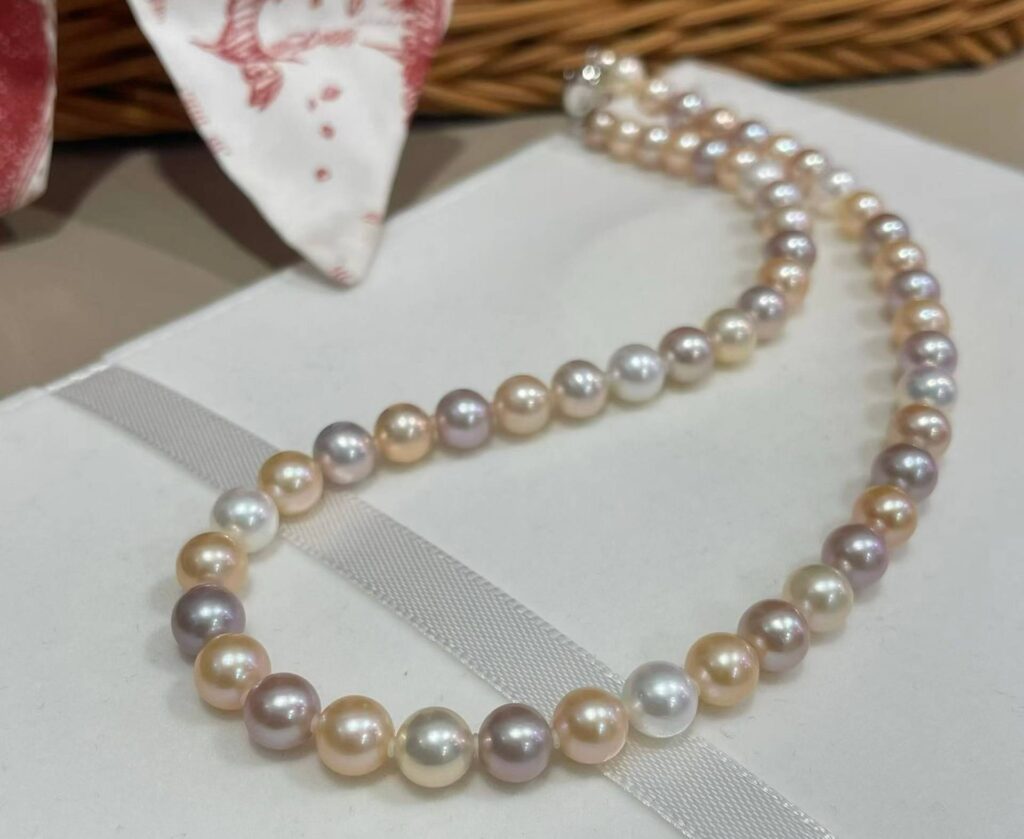
- Colors: They occur naturally in shades of white, cream, pink, peach, lavender, and even deep purple. Many freshwater pearls also exhibit beautiful overtones—subtle hints of color that seem to float on the surface.
- Luster: While they may sometimes have a softer glow compared to the mirror-like reflection of saltwater Akoya pearls, high-quality freshwater pearls possess a deep, inner radiance that is both flattering and luminous.
2. Affordability Without Sacrificing Luxury
Perhaps the most significant factor contributing to their popularity is their accessibility. Freshwater pearls are generally much more affordable than their saltwater counterparts (like Akoya, Tahitian, or South Sea pearls).
- Why? A single freshwater mussel can produce up to 50 pearls at a time, whereas most saltwater oysters can only produce one or two. This higher yield makes them more abundant and budget-friendly.
- Value: This affordability allows buyers to purchase longer strands, larger pearls, or more elaborate designs without the steep price tag typically associated with fine pearl jewelry. It democratizes luxury, making it possible for more people to own and enjoy genuine pearls.
3. Remarkable Durability
While pearls are known for being delicate, freshwater pearls are actually the toughest type of pearl available.
- Solid Nacre: Unlike some saltwater pearls that have a thin veneer of nacre over a bead nucleus, most freshwater pearls are composed entirely of solid nacre (the crystalline substance that gives pearls their luster).
- Resilience: This solid structure makes them less likely to peel, chip, or crack. While they still require care, they are more resilient to daily wear than other pearl types, making them excellent choices for rings, bracelets, and everyday necklaces.
4. Sustainability and Ethics
Modern consumers are increasingly concerned with how their jewelry is sourced. Freshwater pearl farming often aligns with eco-conscious values.
- Environmental Impact: Pearl farms require clean water to operate. As filter feeders, mussels actually improve water quality by filtering out algae and pollutants. This creates an incentive for farmers to maintain healthy aquatic ecosystems.
- Byproduct: Unlike mining, which involves digging into the earth and disrupting landscapes, pearl farming works in harmony with nature. Furthermore, the shells (mother-of-pearl) are often used in buttons or inlay work, leaving very little waste.
5. Versatility in Modern Fashion
Freshwater pearls have successfully transitioned from the realm of “your grandmother’s jewelry” to a staple in contemporary fashion.
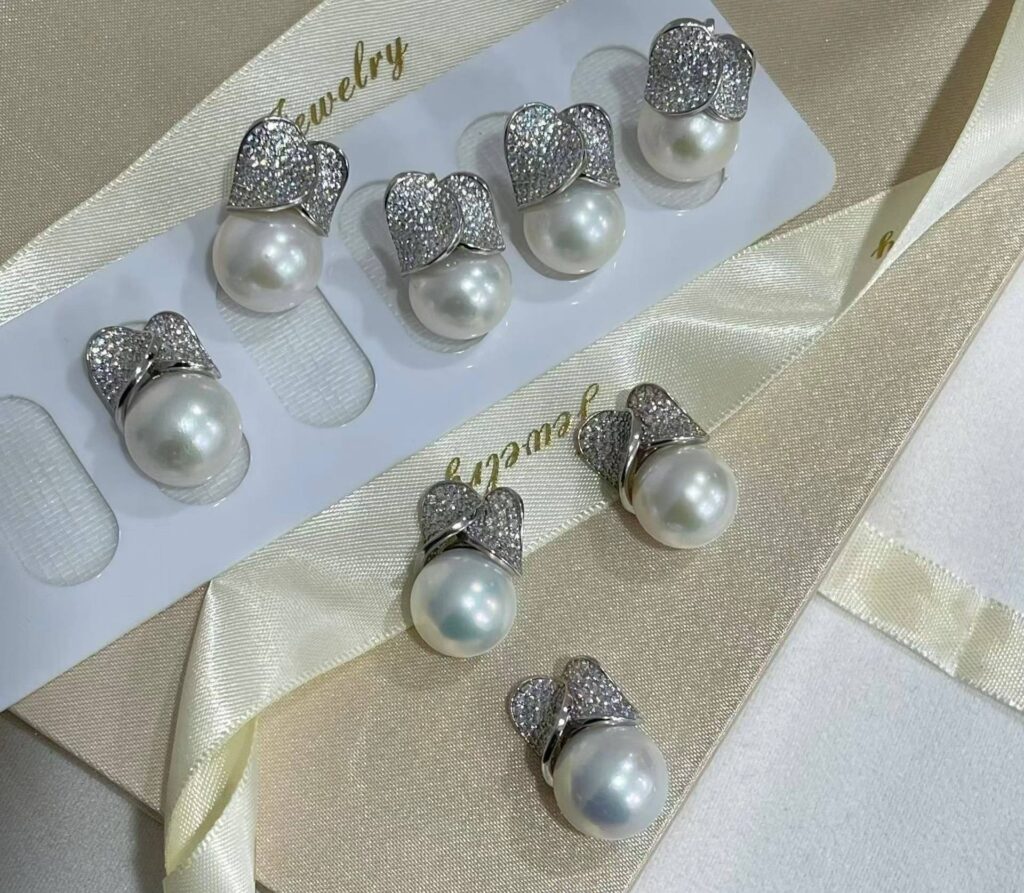
- Styling: Their varied shapes and soft colors allow them to be paired with casual wear (like jeans and a t-shirt) just as easily as with evening gowns. Designers love using baroque freshwater pearls in edgy, modern settings that appeal to younger generations.
- Customization: Because they are affordable, they are often used in custom jewelry pieces, allowing individuals to create personalized gifts or heirlooms that reflect their unique style.
6. Rich Symbolism
Throughout history, pearls have symbolized purity, wisdom, and tranquility. Freshwater pearls carry these meanings while adding a layer of personal connection due to their organic, natural growth.
- Gifting: They are traditionally given for 30th wedding anniversaries, symbolizing three decades of enduring love and growth.
- Emotional Connection: Many wearers feel a connection to the water and the natural world when wearing freshwater pearls, viewing them as a talisman of calm and serenity.
In summary, freshwater pearl jewelry is special because it offers the best of all worlds: natural beauty, incredible variety, solid durability, ethical sourcing, and affordability. It proves that you don’t need to spend a fortune to own a piece of nature’s artistry—a piece that is uniquely yours, glowing with a life of its own.